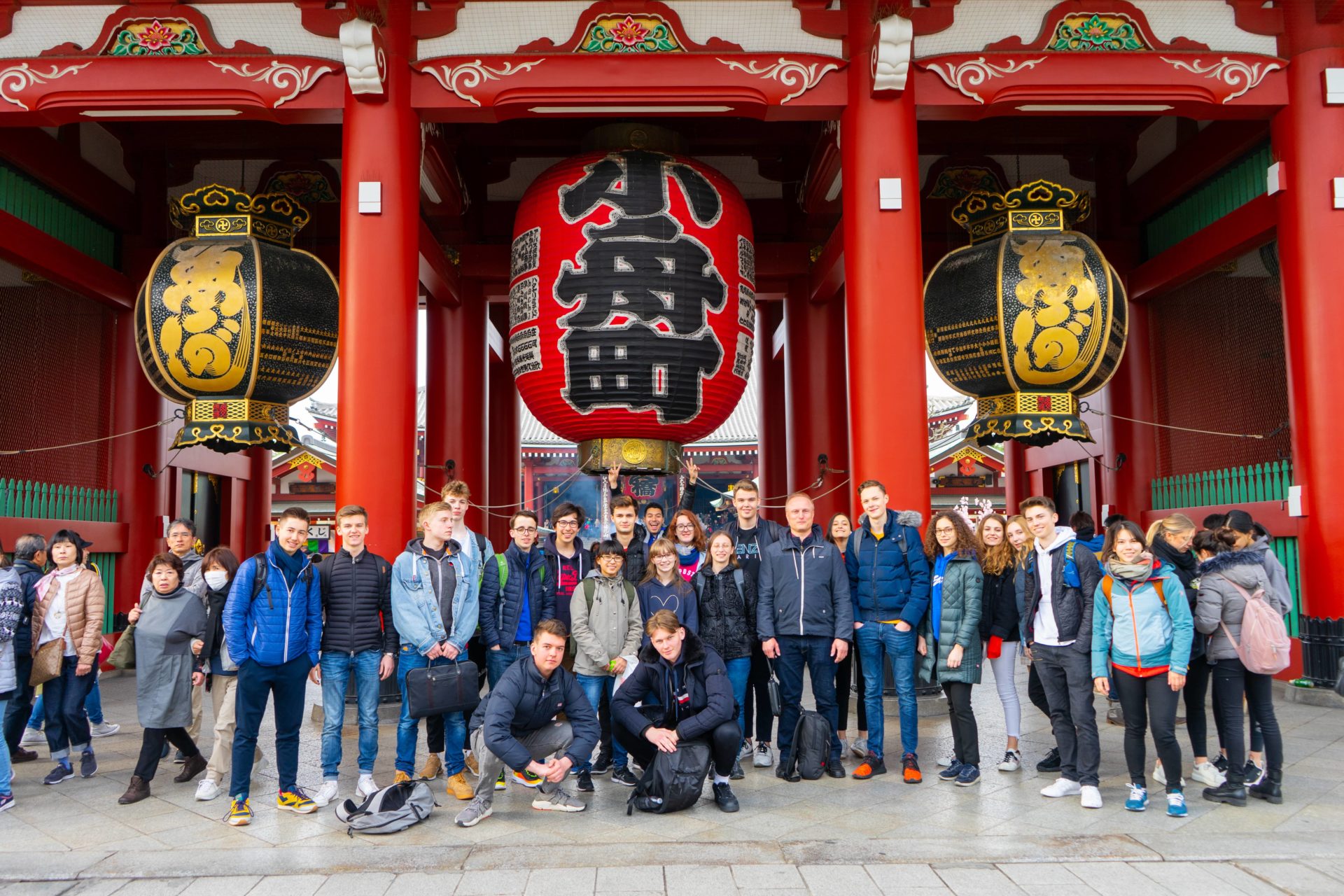
Where centuries
collide.
A wooden temple founded thirteen centuries ago stands in the shadow of the world’s busiest crossing. Tokyo is two cities at once — and the joy is in crossing between them in a single afternoon.
Explore TokyoOld town and neon city, side by side
Tokyo rewards travelers who notice contrasts. In the morning you can buy incense at a temple market in the low-lying old town — the shitamachi — where artisans still hand-make sweets and combs. By night you can stand in Shibuya as a thousand people cross the street at once beneath towers of light.
Most of the city was rebuilt twice in the last century, yet pockets of old Edo survive in temple precincts, sento bathhouses and narrow lantern-lit alleys. This guide is built around that push and pull — the traditional, the modern, and the easy escapes just beyond the city limits.
The Old Town — Asakusa, Ueno & Yanaka
Temple smoke, craft shops and the last lanes of old Edo, all on the city’s eastern, low-lying side.
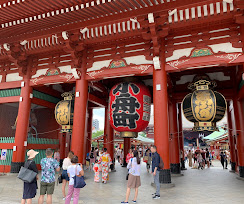
Senso-ji & Asakusa
浅草寺Tokyo’s oldest temple, founded in 645. Pass beneath the giant red Kaminarimon lantern and walk Nakamise street — a 250-meter lane of stalls selling rice crackers, fans and folding combs much as it has for generations.
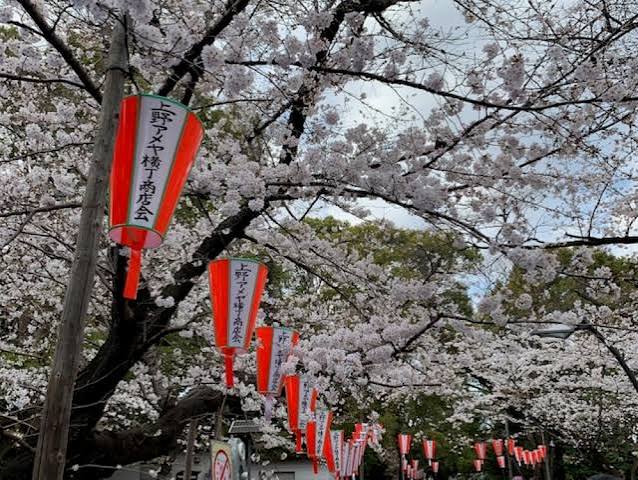
Ueno Park & Museums
上野The city’s great cultural park: the Tokyo National Museum holds the largest collection of Japanese art and antiquities anywhere, and the grounds become a sea of cherry blossom in early April.
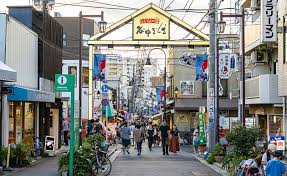
Yanaka Old Quarter
谷中One of the few neighborhoods to survive the war and the earthquakes intact. Wander temple lanes, browse Yanaka Ginza’s shopping street and meet the cats the area is famous for.

Imperial Palace & Gardens
皇居Home of Japan’s Imperial family, ringed by moats and massive stone walls — the remains of Edo Castle, once the largest fortress in the world. The East Gardens are free and open to the public.

Tsukiji Outer Market
築地場外市場The wholesale auction has moved, but the lively outer market remains: a warren of stalls selling grilled scallops, tamagoyaki on a stick, and some of the freshest sushi breakfasts in the city.

Sumida River & Skytree
隅田川・スカイツリーThe old and new meet on the river: board a sightseeing boat from Asakusa, drift past traditional gardens, and look up at Tokyo Skytree — at 634 m, the tallest tower in Japan.
The Neon City — Shibuya, Shinjuku & Harajuku
Crossings, skyscrapers, street fashion and after-dark alleys: Tokyo at its most electric.

Shibuya Scramble
渋谷スクランブル交差点The world’s most famous pedestrian crossing, where waves of people flow in every direction under giant screens. Above it, Shibuya Sky offers an open-air rooftop view across the whole sprawl.

Shinjuku After Dark
新宿The world’s busiest train station, surrounded by neon. Drink in the tiny lantern-lit bars of Omoide Yokocho and Golden Gai, then find calm in the vast lawns of Shinjuku Gyoen by day.

Harajuku & Omotesando
原宿・表参道The cradle of Japanese street fashion. Crepes and bold style on Takeshita Street, designer architecture along leafy Omotesando — and the serene Meiji Shrine forest right next door.

Meiji Shrine
明治神宮An immense forest shrine in the heart of the city, dedicated to Emperor Meiji. Some 100,000 trees were planted to create the woodland; stepping through the great torii, the traffic noise simply vanishes.

Digital Art Museums
デジタルアートTokyo leads the world in immersive digital art. Step inside rooms of light, mirrors and projected flowers that respond to your movement — the city’s most photographed modern attraction.

Akihabara
秋葉原“Electric Town” — the global capital of anime, manga, games and gadgets. Multi-floor stores, retro arcades and themed cafés make it a pilgrimage for fans and a fascinating spectacle for everyone else.
A city with more to taste than any other
Sushi 寿司
From a standing counter near Tsukiji to a hushed Ginza master’s bar, Tokyo’s sushi spans every budget. For the full experience, sit at the counter and let the chef choose (omakase).
Ramen ラーメン
Every neighborhood has its champion. Buy a ticket from the vending machine at the door, slurp without apology, and try the rich Tokyo-style shoyu (soy) broth.
Tempura & Tonkatsu 天ぷら・とんかつ
Edo-born tempura, fried light and eaten the moment it leaves the oil, and crisp golden tonkatsu pork cutlets — both Tokyo comfort-food institutions.
Izakaya & Yokocho 居酒屋・横丁
The heart of a Tokyo night: tiny lantern-lit alleys packed with smoky yakitori counters and standing bars. Order drinks and small plates and settle in.
Monjayaki もんじゃ焼き
Tokyo’s own savory griddle dish — looser and gooier than Osaka’s okonomiyaki — cooked at your table. The Tsukishima district has a whole street of monja restaurants.
Café & Sweets 喫茶店
From retro kissaten coffee houses to fruit-laden parfaits and the world’s most elaborate convenience-store snacks, Tokyo takes small pleasures seriously.
Easy Escapes — Day Trips from Tokyo
Mountains, a giant bronze Buddha, lavish shrines and Mt. Fuji — all within a couple of hours by train.

Kamakura
鎌倉A seaside former samurai capital, an hour south. See the Great Buddha — an 11-meter bronze cast in 1252 — wander temple gardens, and ride the old Enoden tram along the coast.

Nikko
日光A UNESCO World Heritage site in the mountains north of Tokyo, where lavishly carved and gilded shrines sit among ancient cedar forest, waterfalls and a high lake.

Hakone & Mt. Fuji
箱根・富士山Hot-spring resorts, a lake cruise, a ropeway over volcanic valleys, and on clear days a perfect view of Mt. Fuji. The classic introduction to Japan’s most sacred mountain.

Kawagoe
川越“Little Edo,” just 30 minutes from Ikebukuro. A street of preserved clay-walled merchant warehouses, a wooden bell tower, and old-fashioned candy lanes — the closest taste of old Japan to central Tokyo.

Yokohama
横浜Japan’s second-largest city, 30 minutes south. A breezy harbor, the country’s biggest Chinatown, red-brick warehouses and a relaxed, cosmopolitan feel that contrasts with central Tokyo.

Mt. Takao
高尾山A forested sacred mountain under an hour from Shinjuku, with temples, a cable car and easy trails to a summit that overlooks Mt. Fuji. The quickest nature escape from the city.
A classic 3-day route
Old Town
Temples, markets and the river
Start early at Senso-ji and Nakamise street in Asakusa, then a sightseeing boat down the Sumida River to Hamarikyu Gardens. Afternoon in Ueno Park and the Tokyo National Museum. End with dinner in a lantern-lit izakaya alley.
Neon City
Forest shrine to flashing lights
Morning calm at Meiji Shrine, then Harajuku’s Takeshita Street and the designer boulevards of Omotesando. Afternoon in Shibuya — cross the Scramble and ride up to a rooftop deck. Night out in Shinjuku’s Golden Gai and Omoide Yokocho.
Escape
Sea, mountains or Mt. Fuji
Pick one escape: the Great Buddha and coastal tram of Kamakura, the gilded shrines of Nikko, or the hot springs and Fuji views of Hakone. Return to Tokyo in the evening for a final sushi or ramen counter.
Have more time? Tokyo is the gateway for the bullet train — Kyoto is just over two hours west.
Getting there & getting around
By Air
- Haneda (HND) — closest to the city; ~30 min by train or monorail to central Tokyo
- Narita (NRT) — most international flights; Narita Express or Skyliner ~60 min in
- IC card — pick up a Suica or PASMO at the airport for all trains, buses and shops
Getting Around
- Trains & metro — fast, frequent and signed in English; the JR Yamanote loop links most sights
- Avoid rush hour — 7:30–9:30am and 5:30–7:30pm are extremely crowded
- Taxis — clean and reliable but pricey; handy late at night
Best Seasons
- Mar–Apr — cherry blossom in Ueno and along the rivers
- Oct–Nov — crisp weather and autumn leaves; ideal for day trips
- Dec — winter illuminations across the city; clear Fuji views
- Jun–Aug — humid and rainy early, then hot; summer festivals and fireworks
See both Tokyos in one trip.
Old town mornings, neon nights and an escape to the mountains or the sea — we’ll help you weave them into the perfect Tokyo itinerary.
Plan my Tokyo trip