Where the gods
still gather.
Every November, eight million Shinto deities are said to leave their shrines across Japan and travel to one place: Izumo, on the quiet western coast of Shimane. Come and see why they chose it.
Explore ShimaneJapan’s oldest stories, far from the crowds
Shimane is where Japanese mythology begins. The country’s earliest chronicles set their creation legends here, and the rituals they describe are still performed today — at Izumo Taisha, one of Japan’s two most important shrines, and in firelit Iwami Kagura dance performances held in village shrines on weekend nights.
Yet Shimane remains one of the least-visited prefectures in Japan. That is exactly its appeal: a UNESCO World Heritage silver mine without queues, a castle keep that is an original — not a concrete reconstruction — and sunsets over Lake Shinji that locals still stop to watch.
Izumo & Matsue — the mythic east
Grand shrines, a water city of samurai lanes and tea culture, and the lake sunset that defines the San’in coast.
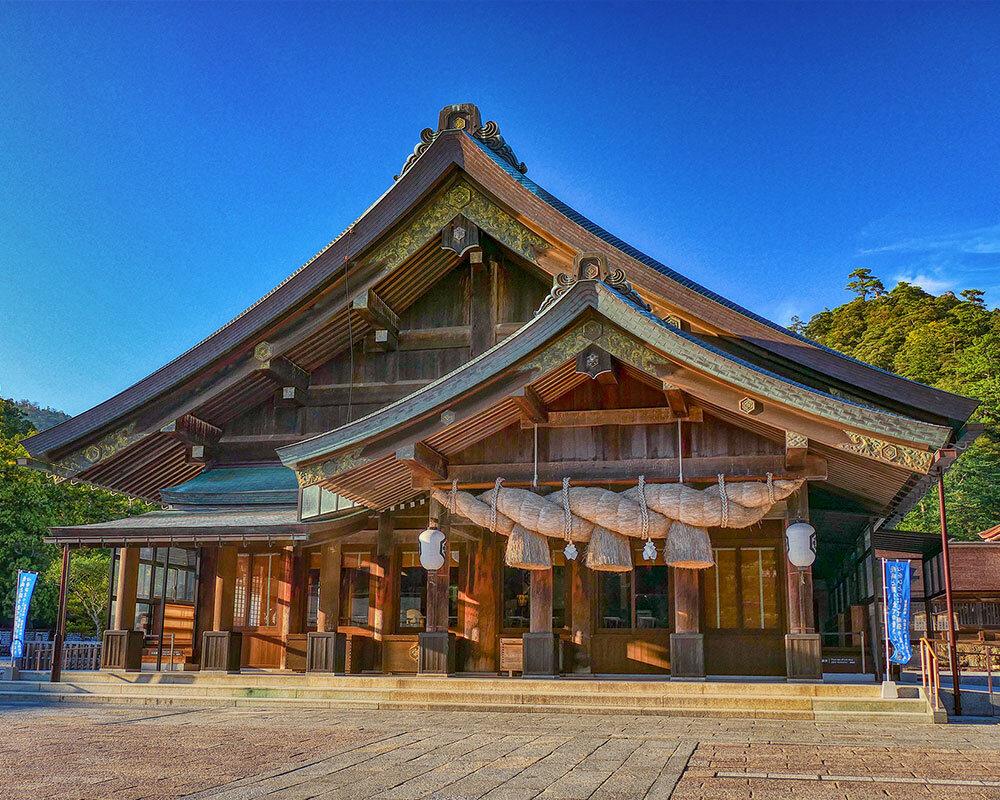
Izumo Taisha Grand Shrine
出雲大社Japan’s shrine of en-musubi — the binding of fates, in love and in life. Its kagura hall hangs one of the largest sacred straw ropes in Japan, 13.6 m long and over 5 tons. Pray the local way: bow twice, clap four times, bow once.
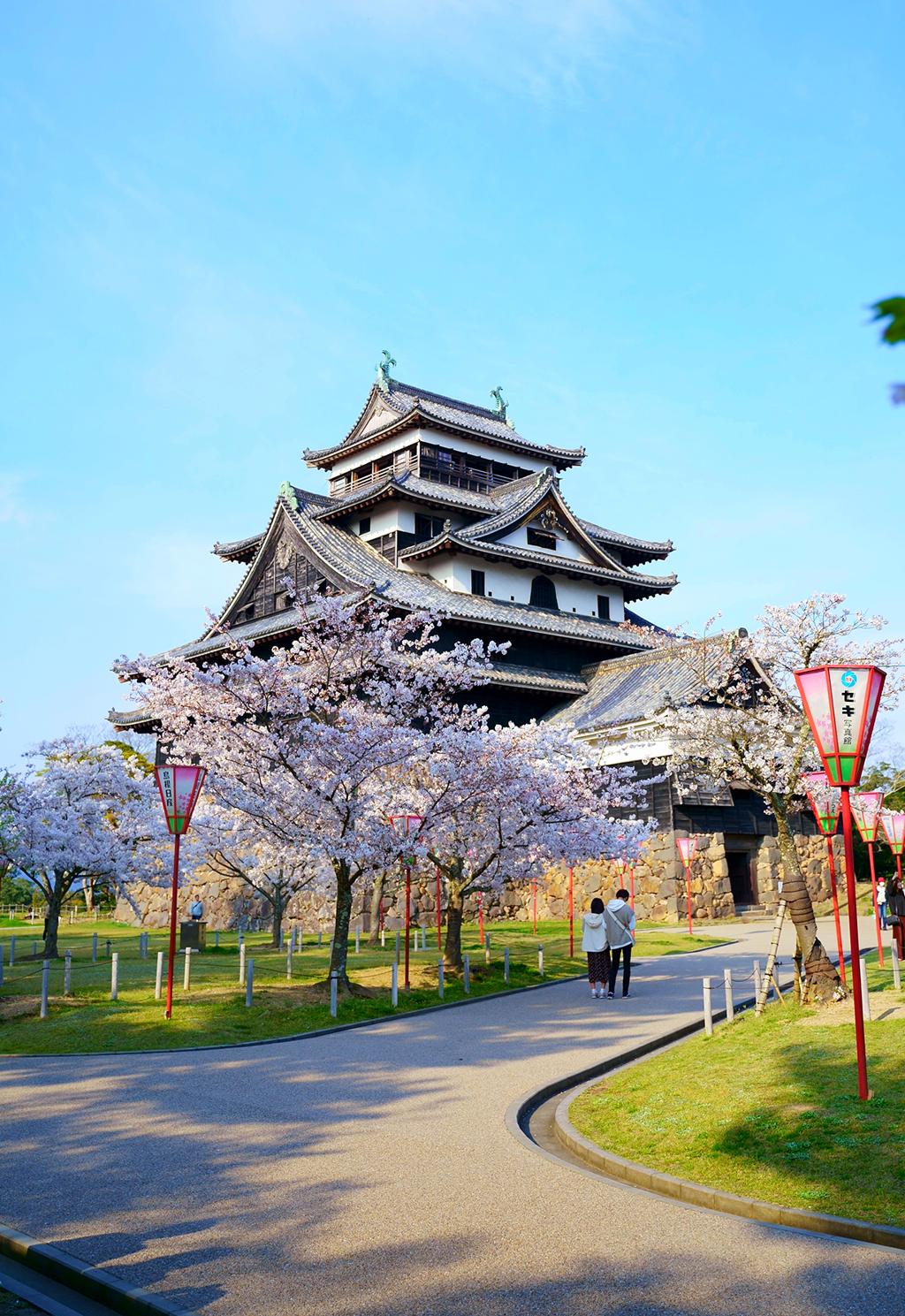
Matsue Castle & the Water City
松江城A black-walled National Treasure from 1611 — one of only twelve original keeps in Japan. Circle its moat on a low-slung horikawa boat, then walk Shiomi Nawate street past samurai residences and the home of writer Lafcadio Hearn.
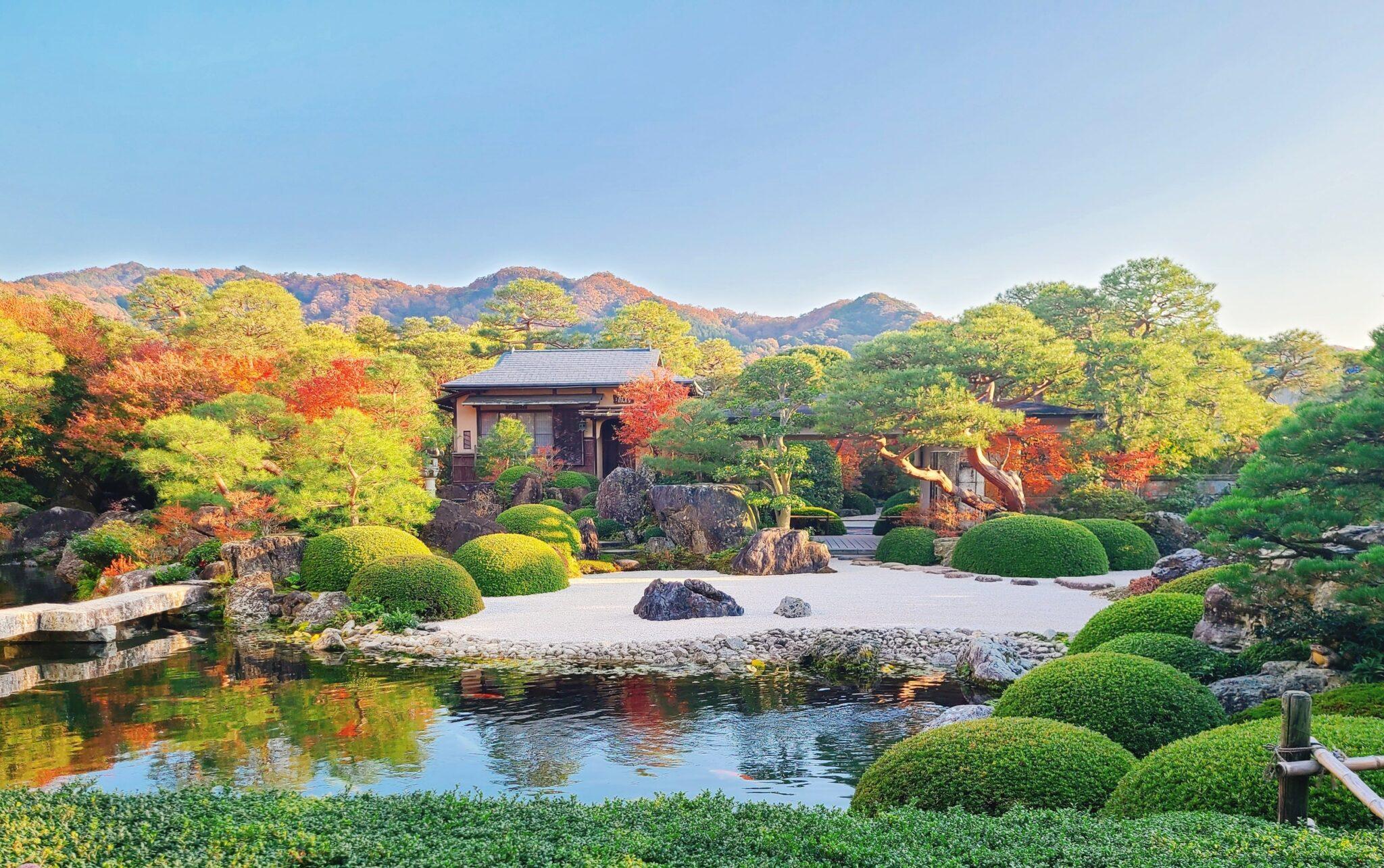
Adachi Museum of Art
足立美術館Ranked the best garden in Japan every year since 2003 by an American journal of Japanese gardening. The gardens are viewed like paintings, through windows framed as living scrolls, alongside a superb collection of modern Japanese art.
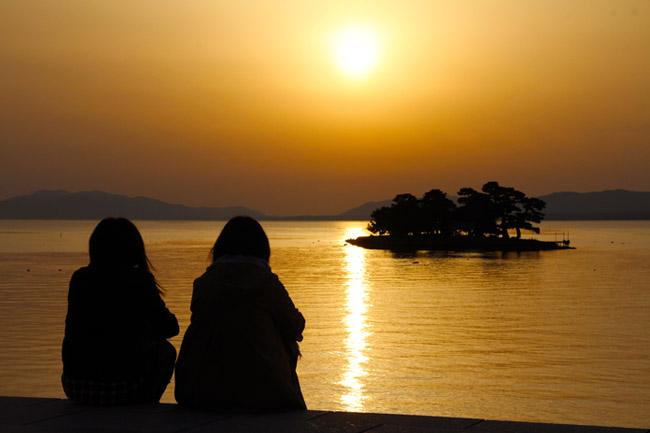
Sunset over Lake Shinji
宍道湖の夕日Officially listed among Japan’s 100 best sunsets. As the sun drops behind Yomegashima islet, the whole lake turns vermilion — the city even publishes a daily sunset forecast.
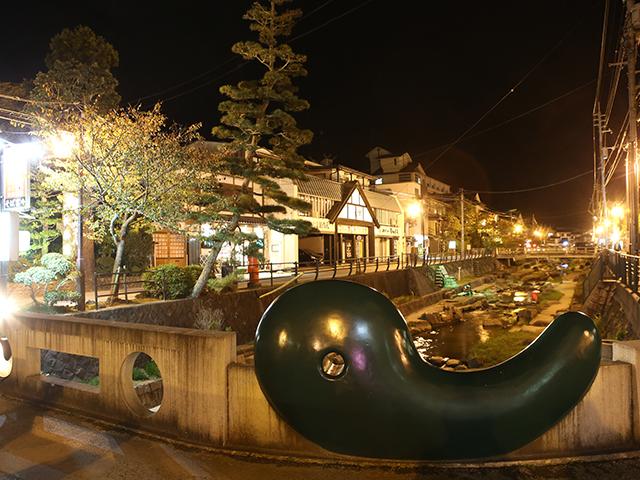
Tamatsukuri Onsen
玉造温泉A hot-spring town mentioned in 8th-century records as the “water of the gods” — said to beautify the skin in a single bath. Stroll the lantern-lit river in a yukata between ryokan stays.
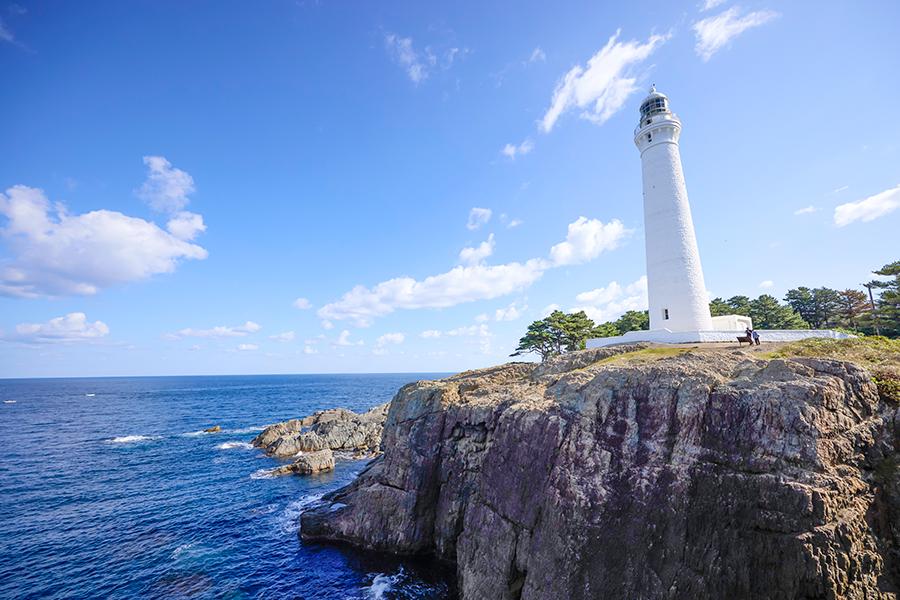
Hinomisaki Cape
日御碕Beyond Izumo Taisha, the road ends at white cliffs, a vermilion-laced shrine to the sun goddess, and Japan’s tallest stone lighthouse — climbable for a view over the Sea of Japan.
Iwami — silver, fire dances and hidden valleys
The rugged west: a World Heritage mining town frozen in the Edo period, and folk theatre performed by firelight.
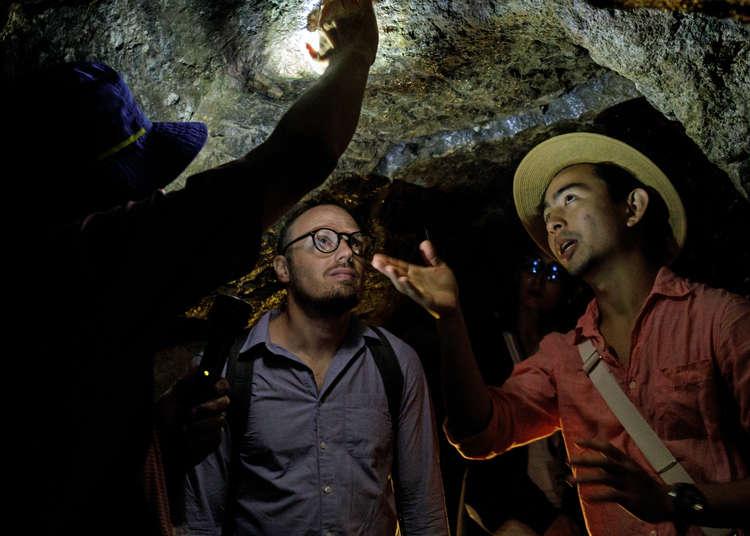
Iwami Ginzan Silver Mine
石見銀山A UNESCO World Heritage Site. In the 1600s this mountain produced a significant share of the world’s silver, traded as far as Europe. Walk the forest path into the hand-dug Ryugenji tunnel, then wander Omori — a preserved town of wooden merchant houses, cafés and craft shops.
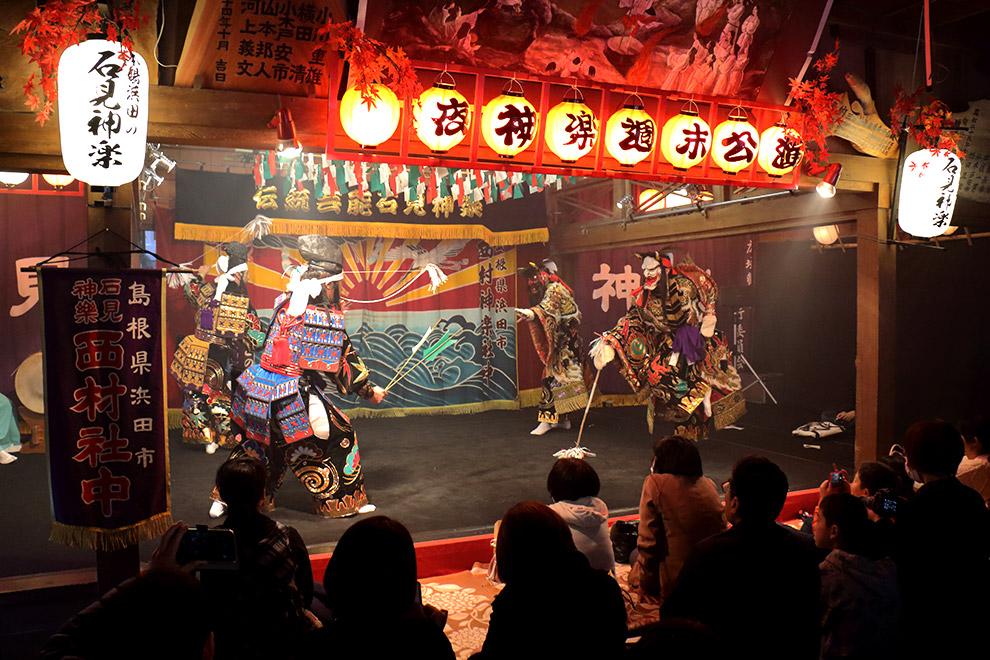
Iwami Kagura
石見神楽Myth as spectacle: gods battle an eight-headed serpent in a whirl of gold-embroidered costumes, masks and smoke. Unlike most traditional performing arts, kagura here is a living weekend tradition, danced by locals for locals.
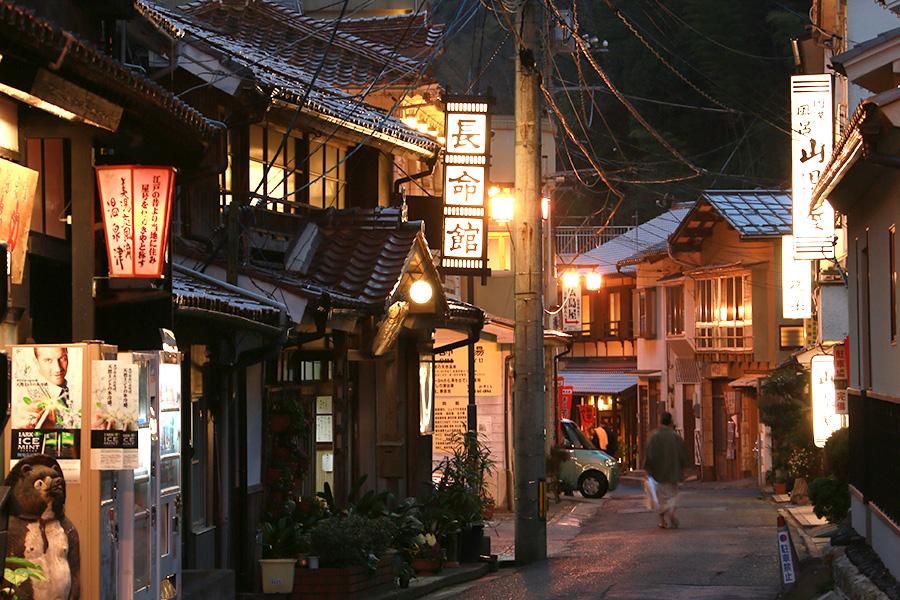
Yunotsu Onsen
温泉津温泉A tiny port and hot-spring hamlet — once the shipping point for Iwami silver — where retro public bathhouses still pour cloudy, mineral-rich water straight from the source. One of Japan’s most atmospheric onsen streets, and almost unknown to foreign visitors.
Oki Islands — Japan’s wild edge
A UNESCO Global Geopark of sea cliffs, grazing horses and exiled emperors, two to three hours offshore by ferry.
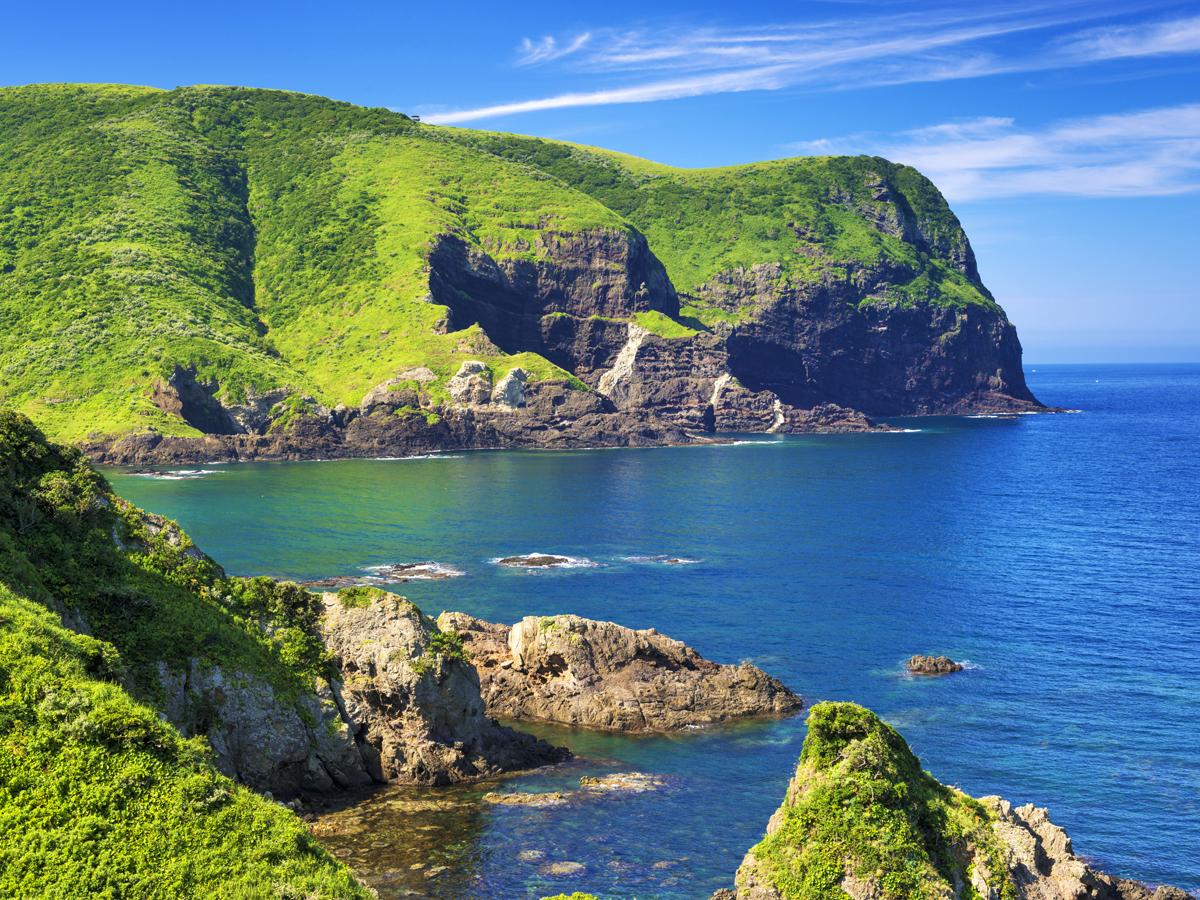
Kuniga Coast
国賀海岸On Nishinoshima island, the Matengai cliff drops some 257 meters straight into the Sea of Japan, with horses and cattle grazing freely along the clifftop meadows. One of Japan’s great coastal walks.
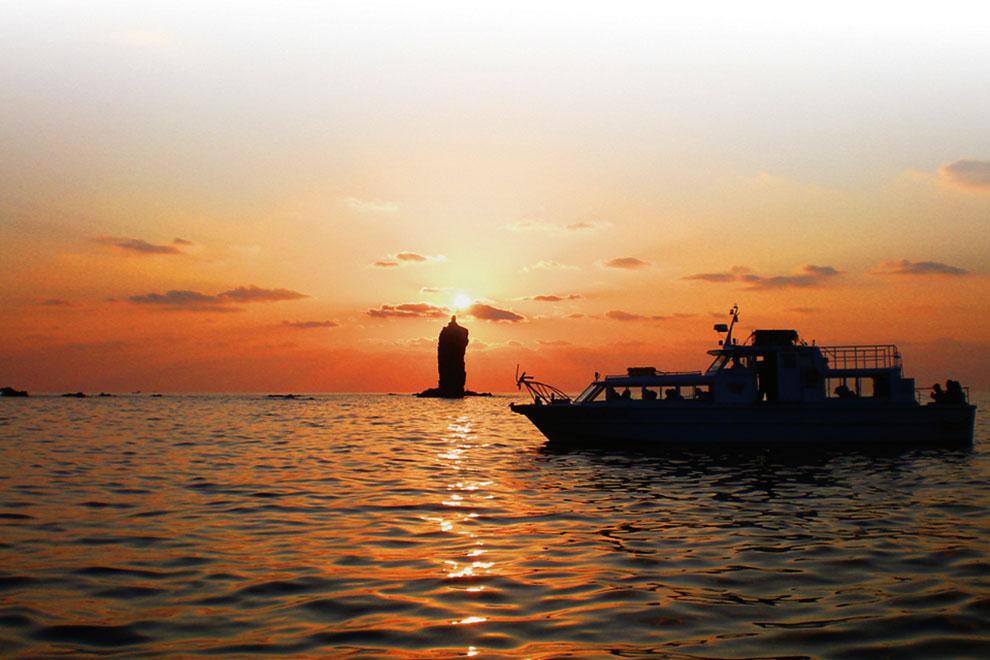
Candle Rock (Rosoku-jima)
ローソク島A 20-meter sea stack off Dogo island. On evening cruises, the captain positions the boat so the setting sun rests exactly on its tip — lighting the “candle” for a few unforgettable seconds.
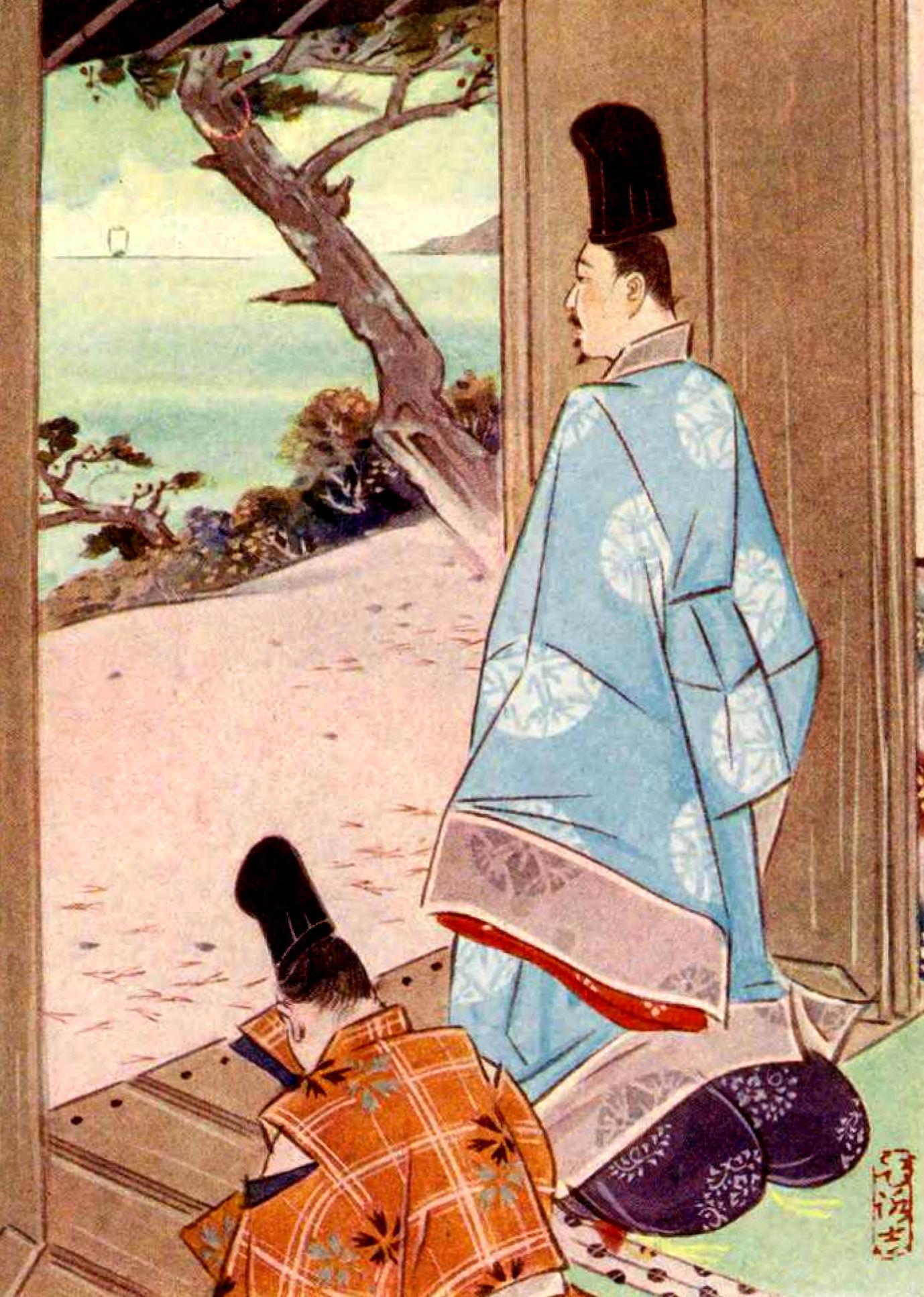
Islands of exiled emperors
流人の島Two emperors were once banished to these remote islands, and their legacy survives in solemn shrines, bull-sumo rituals and a fiercely independent island culture recognized as a UNESCO Global Geopark.
The table of the gods
Izumo Soba 出雲そば
Dark, nutty buckwheat noodles milled with the husk, served in stacked round lacquer trays (warigo). Pour the broth over the noodles — not the other way around.
Shijimi Clam Soup しじみ汁
Lake Shinji is Japan’s most famous source of shijimi clams. The miso soup made from them — briny, sweet, restorative — is the taste of a Matsue morning.
Nodoguro のどぐろ
The “white toro” — a buttery rosy seabream that the San’in coast is famous for. Try it simply grilled with salt or as melt-in-the-mouth sushi.
Matsuba Crab 松葉ガニ
From November to March, snow crab landed at local ports fills ryokan dinner tables — boiled, grilled and as kanisuki hotpot.
Sake from its birthplace 日本酒
Local legend names Shimane the birthplace of sake — Saka Shrine near Izumo enshrines the god of brewing. Small kura (breweries) across the prefecture welcome tasting visits.
Botebote-cha ぼてぼて茶
Matsue’s curious folk tea: whisked, foamy bancha topped with rice, beans and pickles — a snack and a drink in one, born in lean times and beloved ever since.
A classic 3-day route
Matsue
Castles, canals and a lake on fire
Arrive via Izumo or Yonago airport. Morning at Matsue Castle and a horikawa moat boat; afternoon tea and wagashi on Shiomi Nawate street and the Lafcadio Hearn Memorial Museum. End with sunset at Lake Shinji, then shijimi clams and nodoguro for dinner. Stay in Matsue or soak at Tamatsukuri Onsen.
Izumo
The grand shrine of fate
Morning at Izumo Taisha and its museum of ancient bronze; Izumo soba for lunch on the shrine approach. Afternoon at Hinomisaki Cape — climb the lighthouse, watch seabirds over Fumishima island. Optional detour to the Adachi Museum of Art if gardens are your passion. Night in a Tamatsukuri ryokan.
Iwami
Silver roads and firelit gods
Train or drive west to Iwami Ginzan: cycle the valley to the Ryugenji mine tunnel and browse the craft shops of Omori town. Late afternoon soak in a retro Yunotsu bathhouse, and if your night aligns, an Iwami Kagura performance before returning — or push on to Hagi and Yamaguchi.
With two extra days, add a ferry to the Oki Islands — it transforms the trip.
Getting there & when to go
By Air
- Izumo Airport — ~85 min from Tokyo Haneda; buses to Matsue & Izumo Taisha
- Yonago Airport — flights from Tokyo; handy for Matsue & Adachi Museum
- Iwami Airport — gateway to Tsuwano & the far west
By Rail
- From Okayama — Yakumo limited express to Matsue (~2.5 h), connects with the shinkansen
- Sunrise Izumo — Japan’s last regular sleeper train, Tokyo → Izumo overnight
- JR Pass — both routes above are covered
Best Seasons
- Nov — Kamiarizuki rituals at Izumo Taisha; crab season opens
- Mar–May — castle cherry blossoms, mild hiking weather
- Jul–Aug — Oki Islands at their best; sea cruises running
- Jan–Feb — snow-dusted shrines, peak onsen season
Trade the crowds for the gods.
Shimane rewards travelers who go one step further than the Golden Route. Start planning your San’in journey — we’ll help with routes, ryokan and kagura nights.
Plan my Shimane trip